Let me say this plainly at the start, because people often assume the opposite when they hear how I practice: I am not against IVF. Assisted reproduction is a gift, and for many couples it is the thing that finally brings a child home. My concern is not with the tool. My concern is that almost no one is told what to do with the body before they pick the tool up.
IVF works with the body you bring to it
Here is the simple truth that gets lost. IVF does not replace your biology—it works through it. It retrieves your eggs, it relies on your uterine lining, it asks your body to receive and hold an embryo. The healthier that terrain, the better the whole process tends to go.
I have said for years that the closer a woman's cycle is to truly normal, the better her odds of conceiving—even if she is using IVF. A healthy, regular period reflects good ovulation, good blood flow, and a body that is metabolically calm. None of that becomes irrelevant the moment you walk into a fertility clinic. If anything, it becomes more important, because now you are asking the body to do something demanding on a timeline.
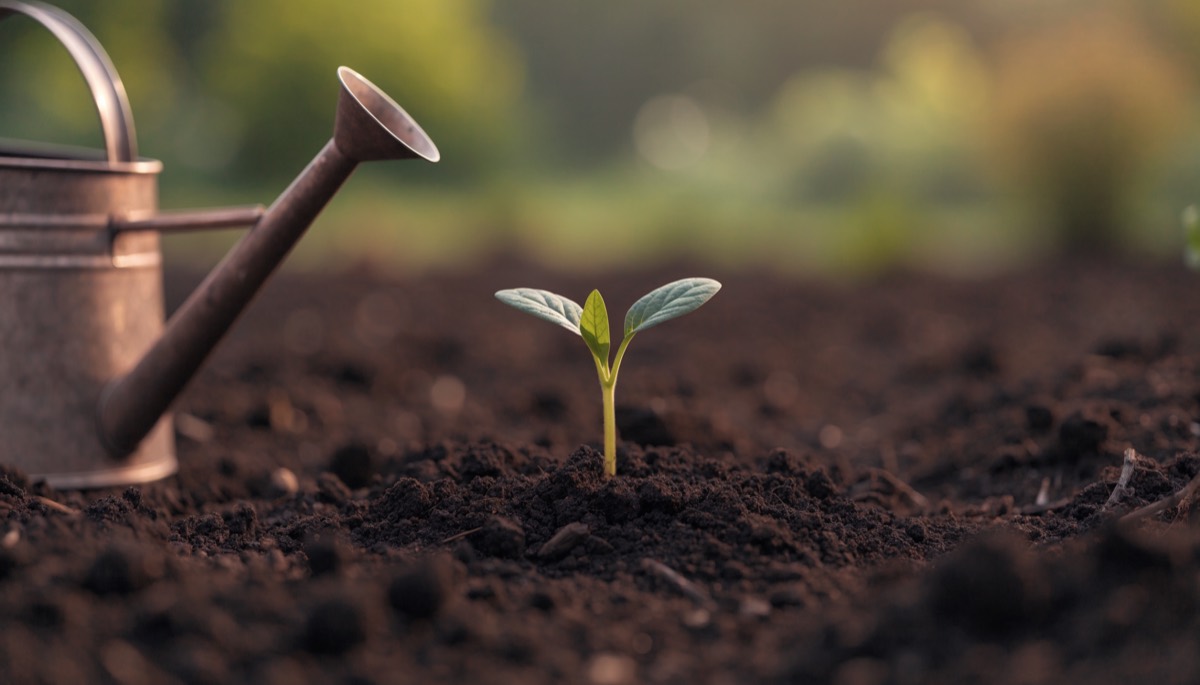
You would not plant a precious seed in depleted, frozen ground and simply hope. You would prepare the soil first. The body is no different.
The 90-day window
There is a reason I talk about a 90-day runway. The egg that ovulates this month spent roughly the previous 90 days maturing. Sperm regenerate on a similar 70-to-90-day cycle. That means the choices made in the season before a retrieval or transfer are quietly shaping the very cells involved. Three months of genuine preparation is not a delay—it is some of the highest-leverage time in the entire process.
What does that preparation actually involve? A few levers do most of the work:
Blood sugar and nutrition. Stable blood sugar and nutrient-dense food that builds blood and hormones—rather than inflaming the system—is the foundation everything else rests on.
Warmth and blood flow to the uterus. A warm, well-circulated womb is a more hospitable place for implantation. Much of traditional fertility support is, at its heart, about restoring circulation and warmth to the pelvis.
Sleep and the nervous system. A body that finally feels safe—rested, unhurried, out of chronic fight-or-flight—is a body that can divert resources back toward reproduction instead of survival.
When natural support isn't enough
Sometimes, despite everything, the body needs more help than nature alone can give—and that is not a failure of the body or of you. This is exactly where IVF earns its place. My aim is never to talk anyone out of it. My aim is to make sure that when you do use it, you bring it the healthiest possible body, so that the medicine has the best possible material to work with.
And there is a tender truth underneath all of this that I never want to skip past: preparing the body also means tending the heart. The fear, the grief of previous losses, the pressure—those are not side issues. Calming them is part of the work, and part of what makes the whole journey survivable, whatever its outcome.
So if IVF is on your horizon, don't think of the weeks before it as waiting. Think of them as planting season. Prepare the soil, and give whatever comes next the best ground you can.
Go deeper with the WellPath Community
Members get the deeper teaching on how to build blood, warmth, and hormonal health—the same groundwork I walk patients through before assisted reproduction.
Explore the CommunityPreparing for IVF? Let's prepare the soil.
If you have a transfer or a cycle coming up, the weeks beforehand matter more than most people realize. Let's build a preparation plan together. Call or text to schedule a consultation.
Call or Text: (973) 705-7800
About Dr. Christopher Butler
Dr. Christopher Butler has been practicing integrative and functional medicine for over 32 years, combining acupuncture, Chinese medicine, and functional medicine to help patients achieve lasting health. He specializes in fertility, hormone optimization, brain health, and teaching patients to become informed stewards of their own wellness.